
Understanding Emoji Language in Modern Workplace Communication
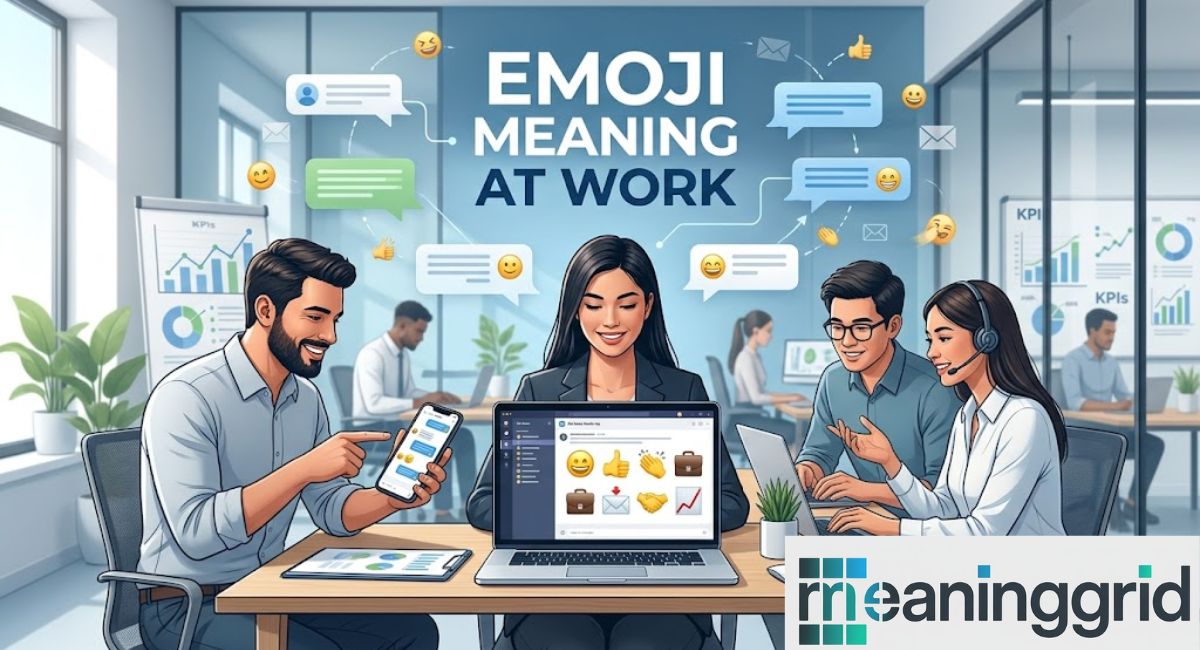
In today’s digital world, Emoji interpretation has become an important part of how people communicate online. From chats to emails, emojis are now used in Professional communication and everyday conversations to express feelings quickly. Understanding Emoji meanings across generations is important because different age groups often see the same emoji in different ways. In modern workplaces,
Digital workplace communication and Business messaging rely on a clear tone, and emojis can sometimes improve or confuse that message. That is why learning about the Emoji language and the Emoji usage guide helps people avoid misunderstandings and improve clarity in both personal and professional conversations. Emojis are small symbols, but their meaning can change depending on context and culture.
Professional Communication and Digital Workplace Communication Etiquette
In today’s world, Professional etiquette has evolved. Emojis are now part of Office communication, but they must be used carefully. In formal Corporate etiquette, emojis should support meaning, not replace words.
Good Communication best practices include knowing when to use emojis and when to avoid them. For example, a simple smile emoji may help in friendly Employee engagement, but it may not fit serious reports or legal discussions. This balance defines strong Workplace professionalism.
A modern Workplace emoji etiquette guide helps employees understand Professional use of emojis in different contexts. In Virtual workplace etiquette, emojis can reduce emotional distance in Remote work communication, but overuse can damage clarity.
Companies today focus on improving Business communication skills and Team communication strategies by training employees in proper emoji use. This is part of better Workplace behavior and stronger Cross-generational collaboration.
Emoji Interpretation Across Workplace Generations
Different generations interpret emojis differently due to Age-based communication styles and Generational differences. In a Multigenerational workforce, this creates both creativity and confusion.
For example, Baby Boomers often see emojis as simple emotional support tools. Generation X uses them sparingly in Professional messaging. Millennials use emojis for tone and clarity in digital workplace communication. Meanwhile, Gen Z uses emojis as part of Internet slang, social media language, and Digital native communication.
Understanding Cross-generational communication helps reduce misunderstandings in Workplace communication preferences. It also improves Workplace engagement and supports better corporate communication across teams.
This is why companies now focus on Emoji meanings explained and Emoji communication skills to improve collaboration between Workplace generations and improve Modern workplace communication.
Gen Z Emoji Culture and Internet Slang in Business Messaging
Gen Z emojis have changed how workplaces interpret digital messages. In TikTok culture and online spaces, emojis are often used in ironic or symbolic ways. This creates new Modern emoji meanings that older generations may not understand.
In business settings, Gen Z workplace trends influence how teams use emojis in chats and collaboration tools. Their communication style includes Online slang terms, humor, and fast Digital expressions that may confuse traditional professionals.
Understanding how Gen Z uses emojis is important for reducing Emoji communication gaps in Corporate communication. It also helps organizations adapt to Youth communication styles and evolving Digital communication trends.
However, businesses must balance creativity with clarity. Too much slang or unclear emoji use can harm Professional messaging habits and reduce message clarity in Business communication trends.
Workplace Emoji Etiquette and Corporate Communication Standards
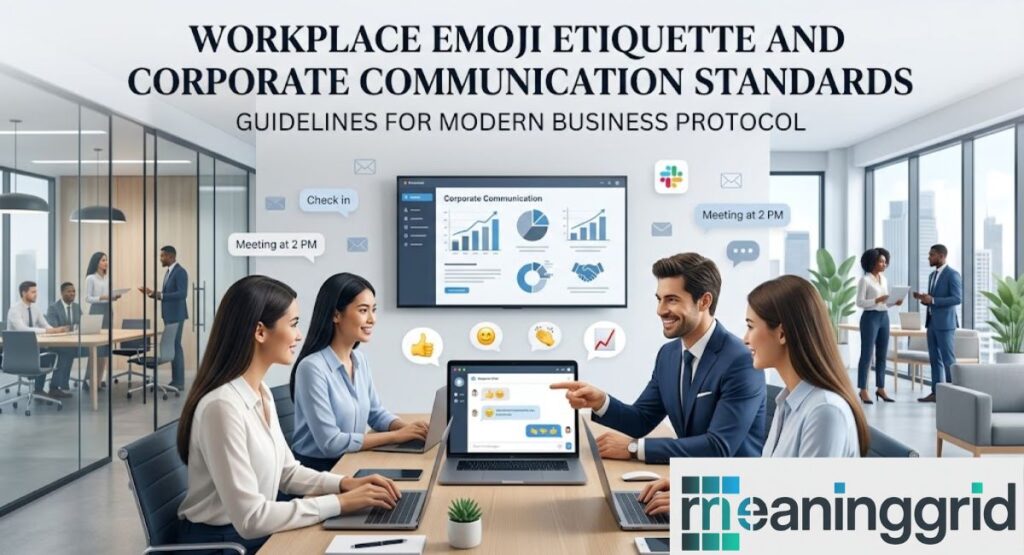
Workplace emoji use must follow clear Workplace etiquette rules. In formal settings, emojis should align with Corporate communication standards and maintain professionalism.
Many companies now define Appropriate emojis for work and list which emojis should be avoided at work. This improves Workplace behavior and prevents Emoji misunderstandings in global teams.
There is an ongoing debate about whether emojis are professional at work. And should you use emojis in business communication? The answer depends on context, company culture, and communication channels.
Strong Workplace emoji etiquette improves Employee communication, supports Team collaboration, and strengthens Workplace culture. It also builds better Emotional intelligence at work, especially in digital environments.
Common Emoji Meanings Explained
Emoji meanings can vary widely depending on context. Below is a simple table explaining Emoji meanings in workplace communication.
| Emoji | Common Meaning | Workplace Interpretation |
| 👍 Thumbs Up Emoji | Approval | Agreement or confirmation |
| 💀 Skull Emoji | Death/humor | Something extremely funny (Gen Z use) |
| 😂 Crying Laughing Emoji | Laughter | Strong amusement |
| 🫠 Melting Face Emoji | Awkwardness | Stress or embarrassment |
| ✨ Sparkles Emoji | Magic/highlight | Emphasis or positivity |
| 😐 Neutral Face Emoji | No emotion | Neutral or passive tone |
| 🤠 Cowboy Emoji | Fun/irony | Playful or sarcastic tone |
| ❤️ Red Heart Emoji | Love | Appreciation or support |
| 😭 Crying Face Emoji | Sadness | Emotional reaction or humor |
| 🧢 Cap Emoji | Lie | Something is not true |
These meanings are part of the Emoji usage guide, Emoji symbols, and evolving Emoji culture. Understanding them improves Professional emoji usage and reduces confusion in Office communication.
Emotional Intelligence and Workplace Culture in Emoji Usage
Emojis are more than decoration. They reflect Communication psychology and influence Workplace relationships. Proper emoji use improves Workplace engagement and strengthens Employee engagement.
A healthy Workplace culture allows controlled use of emojis to support tone and clarity. This improves Team communication strategies and reduces misunderstandings in Internal communication.
However, overuse or wrong use of emojis can weaken Workplace professionalism. That is why companies focus on Professional messaging habits and encourage mindful Digital expressions in communication.
Emojis also support Emotional intelligence at work, helping employees understand tone and intent in fast-paced digital environments.
Best Practices for Team Collaboration and Remote Work Communication
In modern hybrid environments, Remote work communication depends heavily on clear messaging. Emojis help make communication more human, but must follow Communication best practices.
Strong Team collaboration requires a balance between text and emojis. In Virtual workplace etiquette, emojis should support clarity, not replace important details.
Organizations that invest in Professional communication training see better Workplace engagement and smoother Cross-generational collaboration.
Ultimately, understanding Emoji communication tips improves overall Modern workplace communication, supports Business communication trends, and strengthens digital teamwork across global teams.
Meta Description
Emoji Meaning explained in simple terms across generations, workplace use, and digital communication trends for better clarity online.

Welcome to MeaningGrid.com, a trusted source for exploring meanings, definitions, puns, emojis, symbols, slang terms, and language insights. Our goal is to provide clear, accurate, and easy-to-understand explanations that help readers discover the meaning behind words, phrases, trends, and digital expressions. We are committed to creating informative and user-friendly content that makes learning simple and enjoyable for everyone.




1 thought on “Emoji Meaning at Work: Professional Communication Guide”